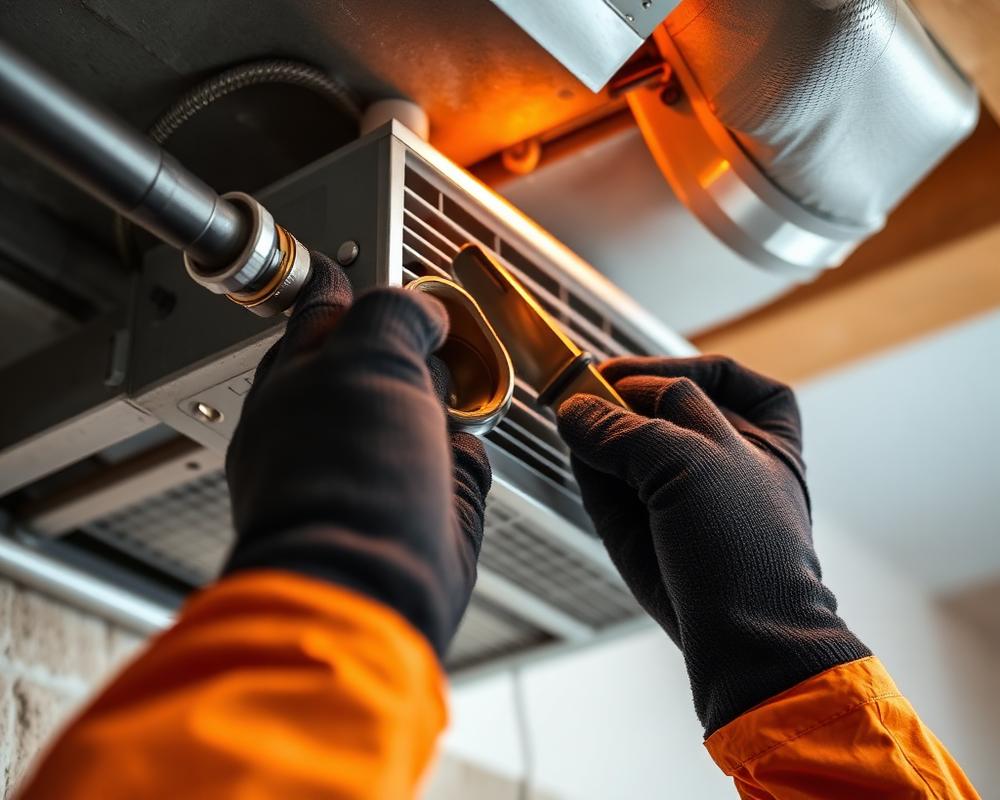
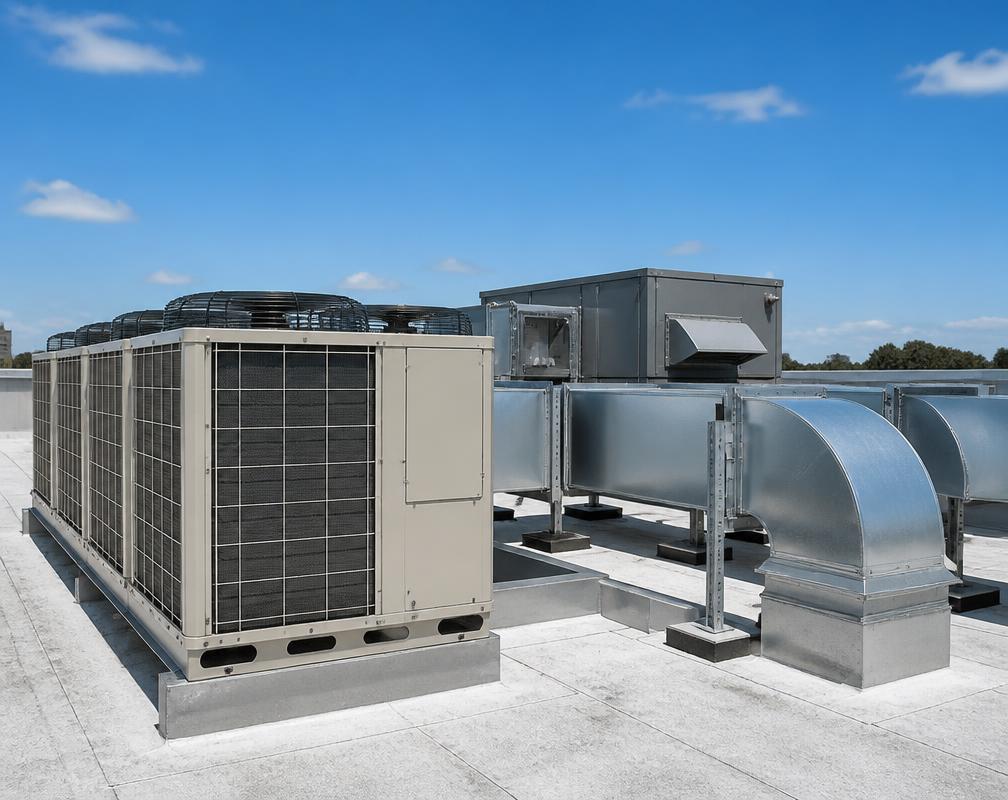
A ducted heater that runs but never warms the house is frustrating — especially on a cold Melbourne morning. The good news is that the cause is often something simple you can safely check yourself before booking a technician. Here are the five things we ask every customer to look at first.
1. Check the thermostat settings. It sounds obvious, but it is the most common callout we attend. Make sure the controller is set to heat mode, the set temperature is at least a few degrees above the current room temperature, and no schedule or timer is holding the system at a low overnight setback. If the screen is dim or blank, replace the batteries — a flat battery can make a perfectly healthy system look completely dead.
2. Pull and inspect the return air filter. The filter sits behind the large return air grille, usually in a hallway ceiling. A clogged filter starves the heater of airflow, which causes the heat exchanger to overheat and the safety high-limit switch to shut the burner down. The classic symptom is short bursts of warm air followed by cold air or nothing at all. If the filter is grey and matted, wash or replace it and give the system 20 minutes to recover.
3. Confirm the gas supply is on. Check that the gas isolation valve next to the heater unit is open (the handle should be in line with the pipe). Then test another gas appliance — if your cooktop or hot water is also playing up, the problem is with your gas supply or meter, not the heater, and you will need your gas retailer instead.
4. Look at the unit itself. For units in the roof or outside, check that the flue cowl and air intakes are clear of leaves, bird nests and debris. A blocked flue will trip safety switches immediately. Also confirm the power isolation switch near the unit hasn't been flicked off — it happens more often than you'd think after roof work or pest control visits.
5. Walk the house and check your vents. Closed or blocked outlets are a silent killer of ducted systems. If more than a third of your vents are closed or covered by furniture and rugs, pressure builds in the ductwork and the heater short-cycles. Open every vent in the rooms you're using and make sure the return air grille isn't obstructed.
If you've run through all five checks and the house is still cold, the fault is likely inside the unit — a failed igniter, a faulty flame sensor or a worn fan motor are the usual suspects, and none of them are DIY jobs. A licensed technician can diagnose most of these in a single visit, and catching them early almost always means a cheaper repair.